GULF SEA / SERVICES
Your cargo first.
Then the route.
By sea, road or air. We put your cargo at the centre, bringing origin, destination and timing together around your needs.
SEA FREIGHT ROAD FREIGHT AIR FREIGHT
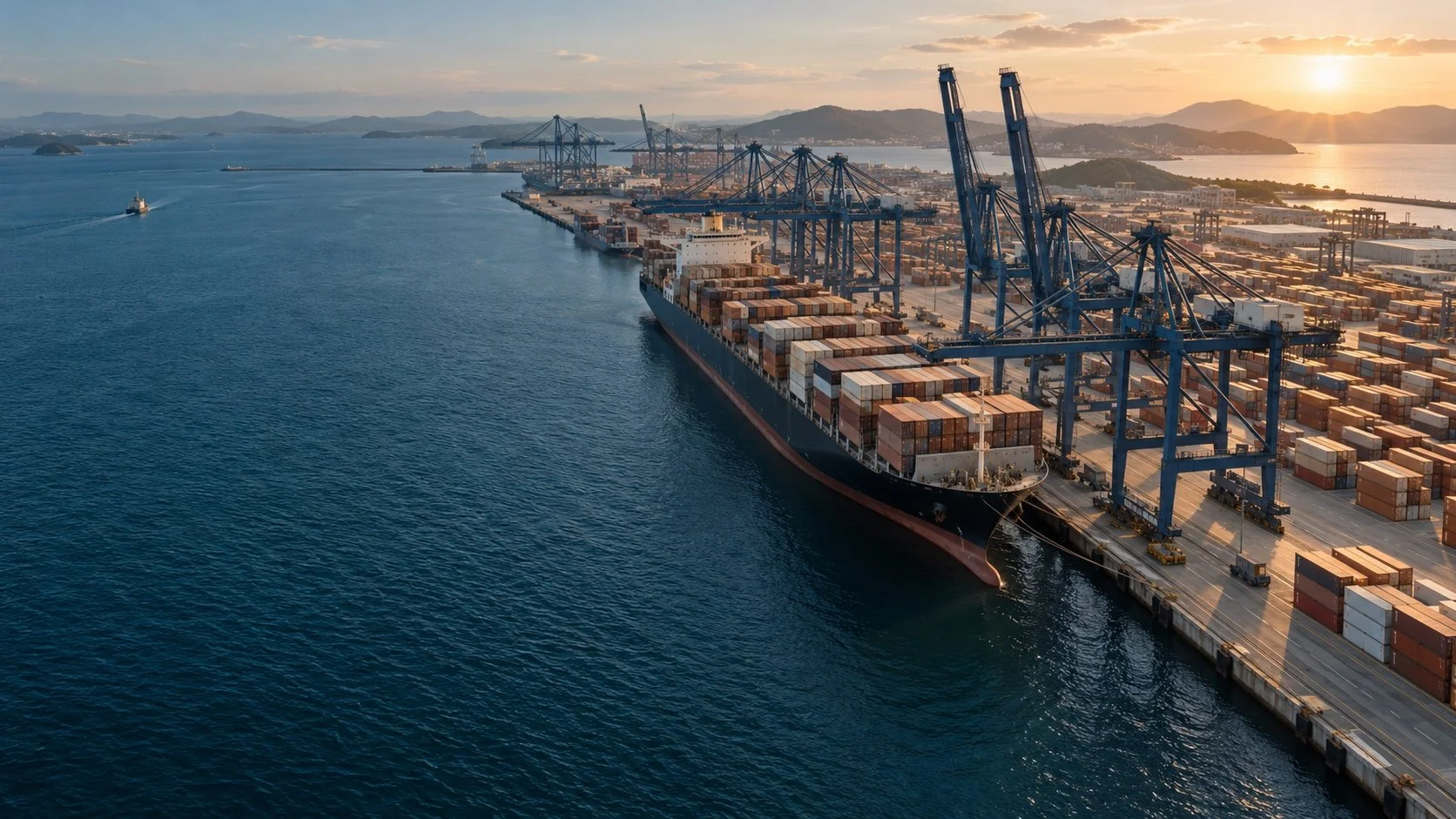
01 / TRANSPORT MODES
Three ways forward.
The same attention.
Every transport mode has its own details. Share your cargo, route and timing needs so we can start with the right information.
Use arrow keys to choose a transport mode; Home selects the first and End the last. Tab moves to the selected service.
SEA FREIGHT SERVICES
Broaden the horizon
with your cargo.
Full container load (FCL) or less-than-container load (LCL): let’s plan around the scale of your cargo, the ports and its readiness date.
- Container or packagesEquipment type and quantity for FCL; package dimensions, weight and volume for LCL.
- Origin and destinationPort details, or city and country if the ports are not yet confirmed.
- Cargo and timingCommodity, readiness date, delivery terms and special requirements.
Container or part load.
Your route across the sea.
ROAD FREIGHT SERVICES
From where your cargo starts,
to the road ahead.
Road freight brings addresses, cargo dimensions and loading conditions together. Let’s build your enquiry around collection and delivery details.
- Collection and delivery pointsCountry, city, postcode and any address details you know.
- Packages and loading layoutPallet or package count, dimensions, gross weight and stackability.
- Loading requirementsReadiness date, ramps, loading equipment and any special vehicle needs.
Addresses, cargo dimensions, loading requirements.
Every kilometre starts with the right information.
AIR FREIGHT SERVICES
Let’s consider your timing
alongside your cargo.
Air freight enquiries focus on timing, each package’s dimensions and the cargo itself. Let’s review these details alongside your origin and destination.
- Route and target dateOrigin and destination airport or city, readiness date and desired delivery date.
- Details for each packageQuantity, length, width, height and gross weight of each package.
- Commodity and special requirementsCommodity type, batteries or dangerous goods, and temperature requirements.
Package dimensions, weight, timing needs.
A starting point shaped by your priorities.
Route, equipment, conditions, transit time and price are clarified during quotation based on your cargo details.
EQUIPMENT GUIDE
Compare container dimensions
side by side.
Interior dimensions describe the space for the cargo, while door dimensions describe the opening it must pass through. Check both separately when assessing your cargo.
These representative equipment images were created for Gulf Sea using AI; they are not to scale. Dimensions match the example table below.
On a narrow screen, you can scroll the table sideways.
| Dry cargo container | Interior dimensions (length × width × height) | Door opening (width × height) |
|---|---|---|
| 20′ GP | 5 897 × 2 350 × 2 394 | 2 341 × 2 278 |
| 40′ GP | 12 030 × 2 350 × 2 394 | 2 341 × 2 278 |
| 40′ HC | 12 030 × 2 350 × 2 699 | 2 333 × 2 585 |
These values are equipment examples published by Turkon. They may vary by manufacturer and container; the suitability of the cargo must be confirmed before transport.
Prepare cargo dimensions including packaging and any pallet; door clearance, weight and loading conditions are assessed together.
02 / A STARTING PLAN
From the first step,
on the same page.
A clear enquiry gives the next stage of assessment a sound foundation.
Define the route.
Add the transport mode, origin and destination. City and country are enough to begin.
Describe the cargo.
Bring together the commodity, equipment or package count, dimensions, weight and volume.
Share the requirements.
Include the readiness date, known delivery terms and any special needs.
Check the summary.
Review the details on one screen. This step creates a preview only.
03 / YOUR QUESTIONS
Before we begin,
a few clear answers.
Which transport mode should I choose?
The choice depends on your route, cargo, weight, volume and timing. If you are still deciding, mention this in your enquiry. We can start with the details and priorities you already know.
Link to this answerWhat information is needed for a quote?
The essentials are origin, destination, commodity, package or equipment count, dimensions, gross weight and readiness date. Include delivery terms and any temperature, battery, dangerous goods or stacking requirements.
Link to this answerWhat if the date or some cargo details are not confirmed?
Start with what you know and explain uncertainties in the additional information field. Mention any target delivery date. Transit times and transport plans are assessed once route and cargo details are clear.
Link to this answerDoes completing this form send an enquiry?
In this preview, the form only summarises your entries on screen. It does not send email or create an enquiry record. To contact us, use operations@gulf-sea.com to reach us.
Link to this answerYOUR ROUTE COMES NEXT
When your cargo is ready,
let the first step be ready too.
Start preparing your enquiry with the details you know today.